

[ad_1]
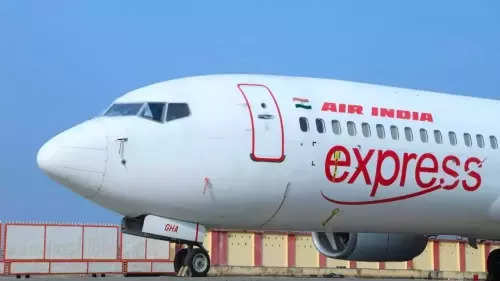
Currently operating 25 aircraft, Air India Express is in the midst of merging with AirAsia India, which has 28 Airbus A320neo planes. The integration of these 50 additional aircraft will propel the combined entity the second largest low-cost airline in India.
A phased aircraft addition is planned, with the first aircraft expected to join the fleet by October, and an addition of 25 planes seen by June the following year. The second phase of expansion is earmarked for August to December 2024.
Benefiting from the strained relations between the US and China, Air India Express finds itself getting 50 Boeing 737 Max aircraft originally designated for Chinese carriers. These planes, already built and available, have expedited the airline’s delivery timeline.
An airline executive remarked told ET, “The airline will initially strengthen its network in existing routes in both domestic and international rather than spreading too thin. We have a strong product position in the India-Gulf market, which has some of the busiest routes in India. After network densification, the second phase of expansion will be done in multiple domestic destinations.”
The airline’s expansion strategy has 30 international destinations, including countries like Bangladesh, Cambodia, China, Indonesia, the Philippines, Turkey, and Vietnam.
Noida airport to open by 2024; know about UP’s new modern airport in Jewar
Air India Express stands out as the sole profitable airline in the Tata Group’s aviation portfolio. Notably, it reported a profit of Rs 116.84 crore in fiscal year 2023, while the combined losses of the other group entities – AirAsia India, Vistara, and Air India – amounted to Rs 15,530 crore.
The Tata Group is actively engaged in merging these four entities to form two distinct airlines: a budget-friendly carrier via the merger of AirAsia India and Air India Express, and a full-service operator by combining Air India and Vistara.
Internally, Air India Express and AirAsia India have already aligned their leadership under a single CEO, and their operational facets like reservations, websites, social media, and customer support are common. Recent regulatory approvals allow these two airlines to sell tickets under the common brand Air India Express.
Air India Express is poised to establish a codeshare agreement with Air India, thereby enabling seamless domestic and international connectivity under a single ticket. This step is crucial as AirAsia India doesn’t operate international routes, while Air India Express mainly serves Middle Eastern destinations, primarily originating from cities in Kerala.
However, as a company executive pointed out, although the airlines share a common booking platform and website, there’s still a gap in offering international flights from cities like Mumbai or Delhi to the Gulf. The company is working on bridging this gap to maximize the potential of their common network.
[ad_2]
Source link


