Friday, April 17, 2026

Thomas Cook: Thomas Cook sees student remittance market doubling

[ad_1]

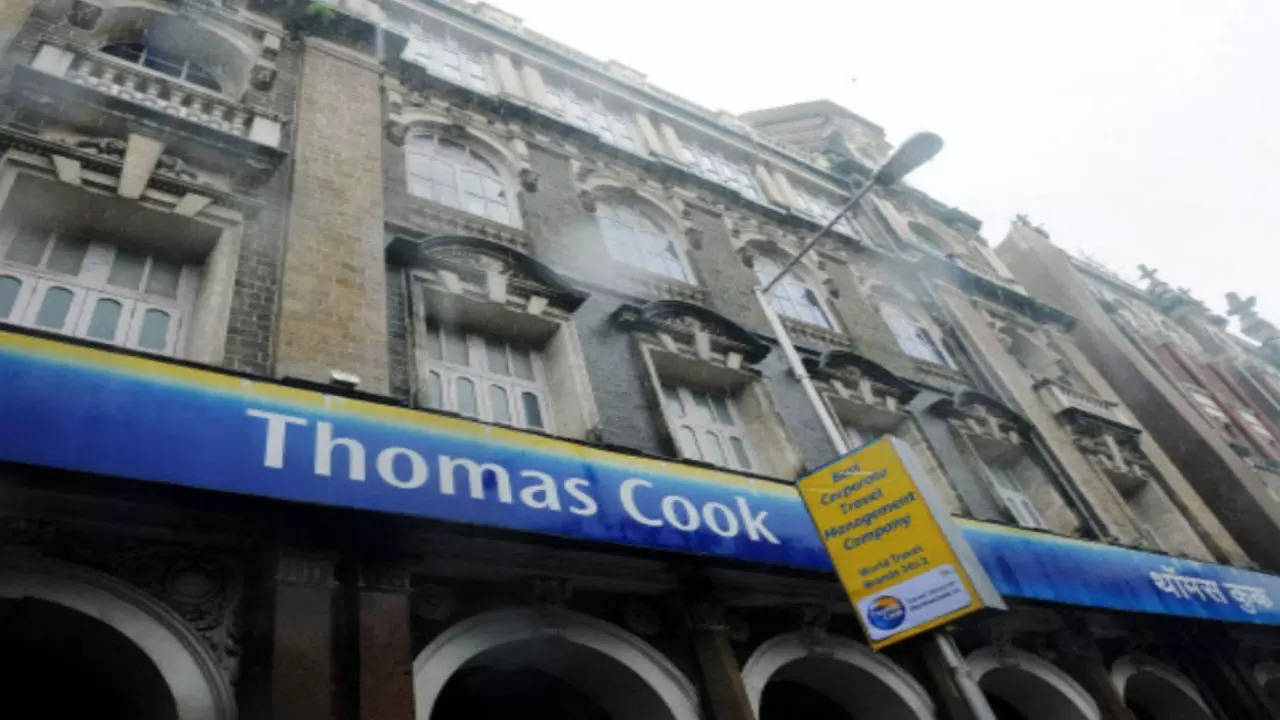
MUMBAI: Prem Watsa-backed Thomas Cook, the largest non-bank forex provider, is expected to double its student forex business given the surge in offshore enrolments. The travel firm is experiencing higher growth in smaller cities. “The student forex market is around $4 billion, and we expect it to double in the next three to four years,” said Deepesh Varma, executive vice president at Thomas Cook.

According to Varma, the business is growing at 160% of the pre-pandemic level, due to a sharp increase in students going abroad. Around eight lakh students travel abroad yearly, and this number has been rising post-Covid.
“A few things have changed. One is that disposable income has increased. Second is the availability of loans, which have made it much easier for people to get them. Third, there is a lot of peer pressure to venture out, especially in smaller cities,” said Varma. Earlier, 80% of the demand for student forex came from metros and tier-I cities. Now, that has changed to around 65:35.

“I’m sure that in the next four or five years, the contribution would be 50-50,” said Varma. His projections are based on the demand that his company sees in the 65 cities it is present in.


[ad_2]

Source link

spot_img
spot_img

Continue reading

TAGMA 2026 Showcases Future-Ready Tooling at India’s Key Industrial Expo

Die & Mould India, the largest and most prestigious exhibition for the die and mould industry in India, is set to return with its 14th edition from April 21–24, 2026, at the...

“Why the World Needs One Language for Green Steel”

“Why the World Needs One Language for Green Steel” Annie Heaton is CEO of ResponsibleSteel, a global organisation offering a sustainability system of standards and certification for the steel industry. In September 2024,...

NGP Pilot Plant Shows Steady Advancement

NGP Pilot Plant Shows Steady Advancement Aduro Clean Technologies Inc.  clean technology company using the power of chemistry to transform lower-value feedstocks, like waste plastics, heavy bitumen, and renewable oils, into resources for...
spot_img